false
Category
Author
Search for Articles
Trending Keywords
Category
Author
Search
Category
Author
Search
Savings and Investment
Wealth Management

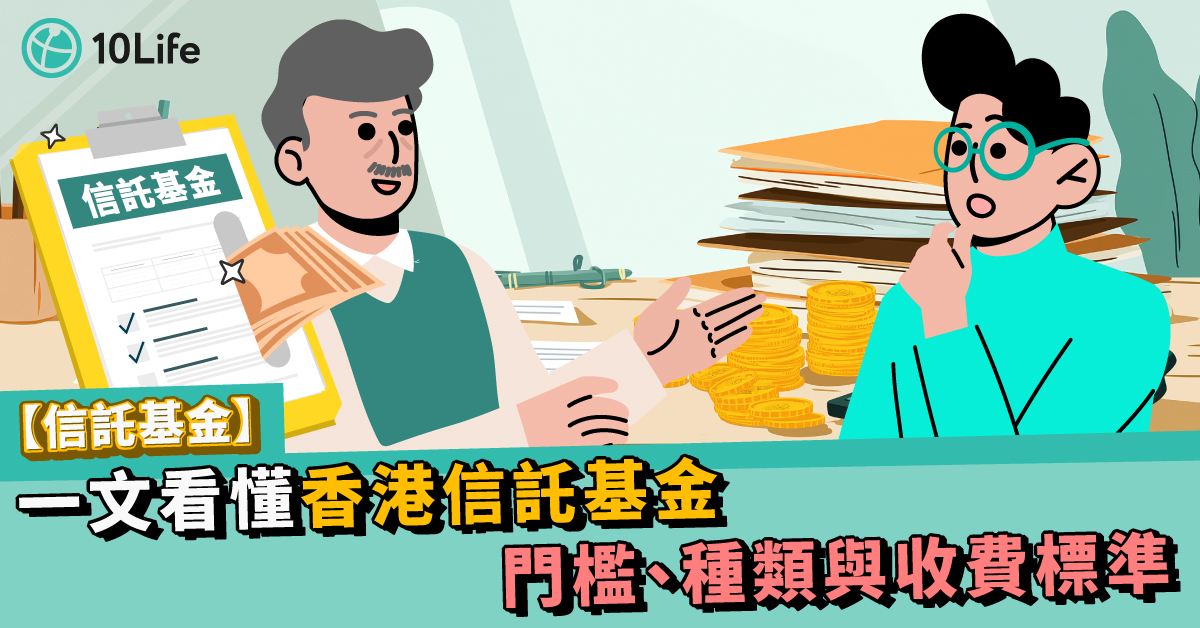
【Trust Funds】Overview of Hong Kong Trust Fund Thresholds, Types and Fee Standards

2025-09-09 5min read
信託基金

When watching movies you often hear that children of wealthy families (the "second generation") have "trust funds"(Trust Fund), which leads many people to believe trusts are only for the rich. In fact, a trust is an effective tool for asset management and wealth transfer; with proper planning it can not only protect assets but also help meet the needs of family members. How high is the threshold to set up a trust fund? What are the fee standards? This article will introduce the basic principles of trust funds, common types, suitable candidates and setup costs to help readers decide whether a trust suits their personal needs.

What is a trust fund?

A trust fund is a legally binding asset arrangement in which the settlor (Settlor) transfers assets (such as cash, stocks, property, etc.) to a trustee (Trustee) to manage, and, according to the terms of the trust deed, to hold and distribute assets for the beneficiary (Beneficiary).

In Hong Kong, trust funds are a common wealth management tool. Because they combine flexibility with legal protection, they are often used for asset protection, succession and tax planning. By clearly specifying the terms, assets can be distributed conditionally or in stages according to family members' needs, while preserving privacy and reducing legal risk. With proper design, trusts can flexibly accommodate individual and family needs and achieve multiple asset management objectives.

Common purposes for establishing a trust include:

  • Wealth succession:Ensure assets are passed to the next generation according to the individual's wishes, reducing inheritance disputes.
  • Asset protection:Separating assets from an individual's personal estate reduces the risk of creditor claims or legal actions.
  • Special care:Provide long-term financial support for minor children, disabled family members, or relatives with special needs.
  • Tax planning:Certain trust structures can help alleviate estate duty or other taxes.
  • Protecting privacy:Trust arrangements do not need to be made public and can effectively safeguard family financial information.
  • Cross-border asset management:Suitable for individuals holding overseas assets, facilitating unified management and succession of assets across different jurisdictions.

How does a trust structure work? Learn about the three main roles: settlor, trustee, beneficiary

Three core roles: Settlor, Trustee, Beneficiary

The operation of a trust structure is carried out according to the trust terms set by the settlor, and centers on three main roles: the settlor, the trustee and the beneficiary

  • Settlor(Settlor:is the creator of the trust, responsible for providing assets (such as cash, property, shares, etc.) and entering into the trust deed. The deed sets out the trust's purpose, the identity of the beneficiaries, and how the trustee should manage and distribute the assets.
  • Trustee(Trustee:is responsible for carrying out the trust deed and managing the assets within the trust. The trustee can be an individual (e.g., a relative or friend) or a professional institution (e.g., a bank or trust company), and must, according to the terms of the deed, distribute assets or income to the beneficiaries at the specified times or upon the specified conditions.
  • Beneficiary(Beneficiary: is the person who ultimately receives the trust assets. They can be one or more individuals, family members, or even charitable organizations. Their interests will be protected and distributed in the manner specified by the deed.

How a trust works4steps

  1. Execute the trust deed
    The settlor and trustee enter into the trust deed, clearly specifying the use of the assets, management methods, beneficiary arrangements and distribution conditions; this forms the legal basis of the entire trust structure.
  2. Transfer assets into the trust
    The settlor formally transfers the specified assets (such as cash, property, shares, etc.) into the name of the trust, to be managed by the trustee.
  3. Asset management and distribution
    The trustee is responsible for investing and managing the assets according to the trust terms, and periodically distributes assets or income to the beneficiaries as directed. Conditions such as age or educational attainment can be set.
  4. Trust termination and asset distribution
    When the trust term expires or termination conditions are met, the trustee will return the remaining assets to the settlor or distribute them to the beneficiaries according to the deed.

What types of trust funds are there?

Trusts can be classified into various types depending on their purpose and the nature of the assets; common types include:

  • Personal trust funds: used for everyday asset management and protection, helping the settlor separate trust assets from personal property and reducing risks arising from accidents or bankruptcy.
  • Family trust funds: suitable for family wealth succession, allowing flexible arrangements for asset distribution and helping to avoid future inheritance disputes.
  • Charitable trust funds: assets are used to support public welfare activities; in some cases they may receive tax benefits, suitable for those with charitable donation intentions.
  • Testamentary trust funds: take effect after the settlor's death, assist with long-term estate management, and prevent waste or risks caused by a one-time distribution of assets.
  • Insurance trust funds: primarily handle life insurance proceeds, ensuring beneficiaries can receive payments in stages according to the trust terms.
  • Real estate trust funds: specifically designed to manage properties, able to distribute rental income periodically or transfer assets as needed.

What are the advantages of trust funds?

Asset Protection

Assets held in a trust are managed separately from the settlor’s other personal assets. When the settlor faces debt disputes, legal actions, or marital disputes, the assets within the trust can receive a certain degree of protection, making them less likely to be claimed and effectively safeguarding the family’s core wealth.

Wealth Succession

A trust can establish clear asset distribution conditions according to the settlor’s wishes, such as age limits or only allowing access after completing education, to avoid waste from lump-sum inheritance. It can also reduce disputes over estate distribution and allow assets to be passed to the next generation in an orderly manner.

Tax Planning

Although Hong Kong does not have estate tax, tax planning remains important for families with cross-border assets. Some jurisdictions, such as the United States, United Kingdom, Australia, and Singapore, impose taxes on estates, capital gains, or asset transfers. Through a trust, legal ownership can be effectively separated from beneficial ownership to reduce or defer tax liabilities, while centralizing management of assets across jurisdictions, simplifying transfer procedures, and using clear terms to reduce future disputes, ensuring wealth is passed on according to plan.

Flexibility

Trust terms can be tailored to different family circumstances, asset types, and objectives, supporting various distribution methods (e.g., staged payments, performance-based distributions, etc.), offering greater flexibility and control compared with a standard will or insurance.

Do trust funds have any disadvantages?

Relatively high setup and management costs

When establishing a trust, you need to pay advisory and setup fees, and thereafter annual management fees, account audit fees, etc. If the asset size is not large, these costs can represent a significant proportion and affect overall cost-effectiveness.

Lower liquidity

Once assets are transferred into a trust, withdrawals or changes of use must be handled according to the trust deed; the process is relatively complex and not as flexible as personal assets that can be used at any time. Therefore, it is not suitable for those who need liquid funds in the short term.

Complex legal structure

Trusts involve legal provisions and tax arrangements that are relatively technical; the design and management processes require assistance from professional lawyers, accountants, or trust companies. If not properly designed, execution difficulties or tax risks may arise.

Not suitable for those with limited assets

Trusts have a certain threshold; for people with relatively small asset amounts, management costs may be too high and may not deliver the expected benefits. It is recommended to assess the total amount of assets before making a decision.

Who are trust funds suitable for?

Trusts are not only for the wealthy; anyone with needs for asset management, succession, or protection can consider establishing a trust. The following people are particularly well-suited:

  • People with long-term needs for asset protection and succession
    • A trust can flexibly arrange asset distribution according to personal wishes, design staggered or conditional payouts, and other terms to ensure assets are securely passed on and to avoid inheritance disputes.
  • Individuals with substantial assets who value prudent management
    • If you do not intend to manage assets frequently and prefer a professional institution to manage them long-term and achieve steady appreciation, a trust is a method worth considering.
  • Families with special family structures or care needs
    • For example, if your household includes minor children, family members with disabilities, or others who require long-term financial support, a trust can be tailored to individual needs to protect their living standards and future.
  • Business owners or high-net-worth individuals
    • A trust can separate personal and company assets to reduce risks arising from litigation, debts, or changes in marital status.
  • People planning specific uses for assets
    • If you plan to set up an education trust, charitable trust, or real estate income trust, for example, a trust can clearly delineate the intended uses of the assets.

Is there a threshold to set up a trust fund? What are the fee standards?

Many people think the threshold for setting up a trust is high, but legally speaking, Hong Kong does not set a minimum asset amount for establishing a trust. In theory, a trust can be established even if the asset size is not large. However, in practice, the costs and management fees involved in creating a trust are the main considerations.

Trust fees generally include two parts:

  • Setup fee: A one-time payment when establishing the trust, usually covering drafting legal documents, asset transfers, administrative arrangements and other costs.
  • Annual management fee: Charged yearly by the trustee for asset management, reporting, regulatory compliance and related matters. Some professional trustee firms also provide investment advice.

Generally, the annual management fee for a family trust is approximately 1% to 2%. Some trust companies set a minimum asset size or fixed fee standards; it is usually recommended that assets reach7to8 figures, otherwise the proportion of costs required may be too high and may not be cost-effective. Services and fee structures vary among banks and trust companies; it is recommended to consult the relevant institution or a licensed advisor first to determine whether it suits your needs. 

Additionally, it is worth noting that under the 2013 Trusts (Amendment) Ordinance, Hong Kong has removed the time limit on the duration of trusts, meaning trusts established locally can have perpetual effect, making them more suitable for long-term estate planning and intergenerational succession.

How to properly choose a trust fund?

Choose the Appropriate Type Based on Your Needs

Trusts can be used for different purposes. When choosing, you should first clarify your needs, such as asset protection, succession, or charitable purposes. Personal trusts are suitable for those who wish to ring-fence assets and reduce legal or financial risks; family trusts help flexibly allocate assets and protect family members. If you have donation plans, consider charitable trusts; for matters involving life insurance or property, consider insurance trusts or real estate trusts. Different trust types serve different functions, so it is recommended to choose a suitable arrangement based on the nature of the assets and distribution plans. 

Understand Trustee Firms and Their Products

Each trust company offers different product designs, investment strategies, and management approaches. Before choosing, understand their professional background, whether they are licensed, past performance, and fee structure, and pay attention to the transparency of asset reporting and the quality of customer service. This will help ensure that entrusted assets are properly managed and reduce future disputes or problems.

Seek Professional Advice

Trust structures often involve taxation, legal issues, and asset allocation, and the choice of the trust’s jurisdiction (for example Hong Kong, Singapore, the Cayman Islands, etc.) is also an important consideration. If you are not familiar with the relevant terms or risks, it is advisable to seek advice from a financial advisor or trust specialist. They can provide suitable product recommendations and design plans based on your personal situation so the trust can truly fulfill its purpose.


References:

Hong Kong Trustee Ordinance (Trustee Ordinance, Cap. 29)

HK Economic Times.What are the benefits of wealthy individuals setting up family trusts? How are the fees calculated?

Last updated: 9 September 2025

This English version of this article has been generated by machine translation powered by AI. It is provided solely for reference purposes. In the event of any discrepancy or inconsistency between this translation and the original Chinese version, the Chinese version shall prevail.

Last updated: 2 Feb 2026

10Life Logo
10Life Editorial Team

Our team of professional content researchers focussing on insurance

10Life Logo
10Life Editorial Team

Our team of professional content researchers focussing on insurance

Disclaimer

10Life Product Comparison and 10Life Insurance Ratings are developed by 10Life Financial Limited, an authorised insurance broker company licensed with the Insurance Authority under License Number FB1526. 10Life Product Comparison and 10Life Insurance Ratings are developed for generic customer segments using mathematical calculations based on product information, facts and data, and are not influenced by any partnerships with or fees received from insurance companies. Any information on 10Life Platform ("10Life Information"), including but not limited to Product Comparison, Product Ratings, Blog Articles are intended for general education purpose and reference only. None of the 10Life Information is intended, nor should they be considered or relied upon, as regulated advice, insurance, financial, investment or professional advice, recommendation, approval, endorsement, invitation or solicitation in respect of any insurance, financial or investment products. 10Life Information does not take into account your individual needs. Reading 10Life Information should not be considered as conducting a suitability assessment, and is not sufficient to form the basis of any decisions to purchase any insurance products. You should rely on information authorised by insurance companies, carry out your own research and/or seek independent advice from licensed intermediaries before purchasing any insurance products or making any insurance decisions. While reasonable effort is used when collecting, validating and updating 10Life Information from various channels, none of 10Life Group and its subsidiaries, affiliates, agents, directors, officers and employees will be responsible for any liability, claim or loss arising from or associated with you using 10Life Information. No warranty, representation or guarantee is given by 10Life Group and its subsidiaries on the accuracy, completeness and timeliness of the information. If you have any questions on 10Life Product Comparison and 10Life Insurance Ratings, please email us at enquiries@10life.com

Whatsapp icon
Whatsapp icon
WeChat icon
WeChat icon
Enquiry icon Close icon
Back To Top
Whatsapp icon
Whatsapp icon
WhatsApp