









10Life Financial Limited
Enquiries: enquiries@10life.com
Hotline: (852) 3705 1599
Address: 16/F Greatmany Centre, 109-115 Queen’s Road East, Wan Chai, Hong Kong



Incubation Period of Diarrhoea
Types and Symptoms of Diarrhoea
Common Causes of Vomiting or Diarrhoea
Is diarrhoea contagious?
How do doctors diagnose diarrhoea? Is a bowel examination necessary?
When do you need to see a doctor?
Frequently Asked Questions
What to Eat When You Have Diarrhoea? Dietary Recommendations and Foods to Avoid
Are there quick ways to stop diarrhoea? Common treatment methods
Establish Medical Protection Early to Safeguard Your Health


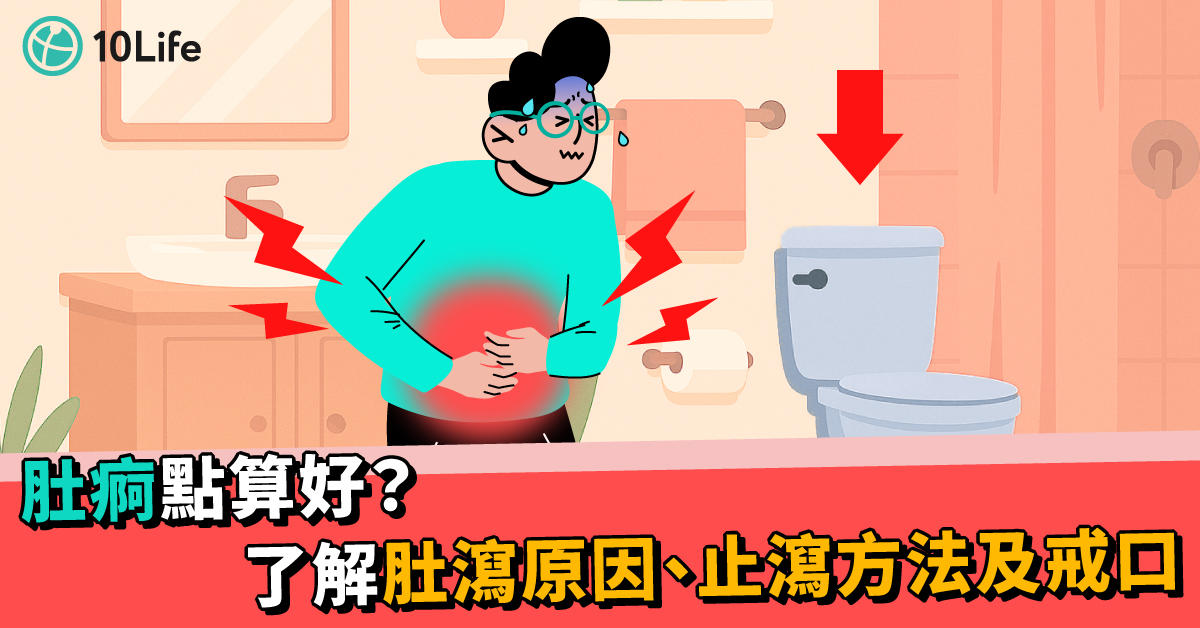
As food and drink lovers in Hong Kong, most of us have likely experienced diarrhoea, commonly known as "loose bowels." In most cases, it is just a temporary gastrointestinal discomfort that resolves within a few days. However, if the condition persists, leads to dehydration, or involves blood in the stool, heightened caution is necessary. In fact, diarrhoea can have multiple causes. Understanding the common triggers, symptoms, and incubation periods, as well as learning the correct methods to stop diarrhoea and dietary adjustments, can help prevent dehydration and recurring episodes.
Incubation Period of Diarrhoea
The incubation period for diarrhoea varies depending on the source of infection. Generally, bacterial infections have an incubation period of a few hours to 5 days, while viral infections typically manifest within 1 to 3 days. Most cases are temporary discomfort, and with adequate hydration and rest, symptoms usually subside naturally within a week.
Types and Symptoms of Diarrhoea
Diarrhoea can primarily be divided into two categories: acute diarrhoea and chronic diarrhoea. Although the symptoms may appear similar, their causes and severity differ, and understanding these differences can help in early intervention to prevent delays in treatment.
Acute diarrhoea typically lasts less than two weeks and is often caused by viral or bacterial infections, such as norovirus, salmonella, or E. coli. When the intestines are irritated by external pathogens or affected by food poisoning, intestinal motility increases, and the water in the stool is not fully absorbed, resulting in watery stools.
Common symptoms include:
Most cases of acute diarrhoea are mild and usually resolve on their own within 1 to 2 weeks. Patients should stay hydrated, replenish electrolytes, and maintain a light diet. However, if there is blood in the stool, high fever, or symptoms persist for more than two weeks, medical attention should be sought promptly to avoid missing the optimal treatment window.
Chronic diarrhoea refers to cases lasting four weeks or more, or those that recur intermittently. Its causes are more complex and may include intestinal disorders such as irritable bowel syndrome, as well as issues related to absorption, endocrine imbalances, or long-term medication use.
Typical symptoms may include:
If diarrhoea persists for more than four weeks, stools contain blood, or there is significant weight loss, a colonoscopy or laboratory tests should be arranged as soon as possible to identify the underlying cause and provide targeted treatment.
Common Causes of Vomiting or Diarrhoea
Diarrhoea or watery stools are most commonly caused by intestinal infections or the consumption of contaminated food. The following are common triggers:
Is diarrhoea contagious?
If diarrhoea is caused by a viral or bacterial infection, the pathogens can be transmitted through contact with the patient’s faeces, vomit, or contaminated food and water sources. In crowded places such as care homes, schools, or households, group infections are more likely to occur. To prevent transmission, it is essential to maintain good hygiene practices, such as frequent handwashing, ensuring the cleanliness of utensils and kitchenware, and avoiding the sharing of cutlery or towels.
How do doctors diagnose diarrhoea? Is a bowel examination necessary?
When diarrhoea persists or recurs, doctors will arrange various tests based on the symptoms and physical condition to identify the cause. Not every patient needs to undergo an "intestinal examination"; the decision is made on a case-by-case basis.
Doctors will review the patient’s medical history, recent medication use, dietary habits, and travel records to initially determine whether the diarrhoea is caused by infection, food intolerance, medication reactions, or other illnesses. If infectious diarrhoea is suspected, the doctor will also inquire about any contact with affected individuals or consumption of questionable food.
A stool sample can help doctors confirm whether there is a bacterial, viral, or parasitic infection and assist in identifying the pathogen causing the diarrhoea. It can also detect visible or occult blood in the stool.
Blood tests can assess the level of dehydration and changes in electrolytes, such as abnormal sodium or potassium levels. If the doctor suspects other abdominal issues, such as intestinal obstruction or chronic inflammation, they may arrange an abdominal ultrasound or computed tomography (CT) scan for further evaluation.
If lactose intolerance is suspected as the cause of diarrhoea, the doctor may recommend a hydrogen breath test. The patient will consume a lactose-containing liquid, and the hydrogen concentration in their breath will be measured to determine if the intestines are unable to effectively break down lactose.
This examination allows doctors to observe the condition of the stomach and the upper part of the small intestine to check for ulcers, inflammation, or abnormalities. If necessary, tissue samples may be taken for laboratory analysis.
If diarrhoea persists, is accompanied by bloody stools, or results in weight loss, the doctor may recommend a colonoscopy or sigmoidoscopy. This helps to check for chronic inflammation, polyps, or tumours in the intestines, and tissue samples (biopsies) can be taken for further analysis. However, not all cases of diarrhoea require a colonoscopy.
When do you need to see a doctor?
If the following conditions occur, it is recommended to seek medical attention as soon as possible:
Frequently Asked Questions
Yes, it can be consumed in moderation. Sports drinks like Pocari Sweat contain electrolytes, which help replenish water and minerals lost due to diarrhoea. However, some drinks have a high sugar content, so it is advisable to dilute them and drink slowly to avoid irritating the stomach. If symptoms are severe or dehydration occurs, choosing oral rehydration salts (ORS) would be more effective.
It is not recommended to take anti-diarrhoeal medication right away. Most cases of acute diarrhoea are part of the body’s natural process of expelling pathogens. Taking anti-diarrhoeal drugs too early may cause bacteria or viruses to remain in the intestines, worsening the condition. Only consider short-term use if diarrhoea is frequent or disrupts daily life, but consult a doctor or pharmacist first.
Generally, mild diarrhoea improves within a few days. If symptoms persist for more than 2 to 3 days, or if you experience bloody stools, high fever, severe abdominal pain, persistent vomiting, or clear signs of dehydration (dry mouth, reduced urination, dizziness), seek medical attention immediately. The elderly, young children, and individuals with chronic illnesses should seek examination as soon as possible.
It is not recommended. Preserved eggs are high in fat and have a strong flavour, which may irritate the stomach and worsen diarrhoea. It is advisable to opt for plain congee or congee water, and gradually return to a normal diet once symptoms improve.
What to Eat When You Have Diarrhoea? Dietary Recommendations and Foods to Avoid
During a bout of diarrhoea, it is advisable to consume mild and easily digestible foods to allow the digestive system sufficient time to rest and recover.
During diarrhoea, the body is prone to dehydration, so it is important to rehydrate regularly by taking small sips of water or electrolyte drinks to maintain internal balance and prevent dehydration. As the digestive system stabilises, start with staple foods like plain congee or white rice, then gradually introduce low-fat proteins such as fish or tofu, and finally slowly add vegetables and fruits to replenish nutrients. Overall, focus on light meals, eat small portions frequently, and avoid overeating at each meal. Steer clear of greasy, spicy, or heavily flavoured foods to reduce the burden on digestion.
Are there quick ways to stop diarrhoea? Common treatment methods
Common stomach upsets usually improve within a short period. Below are several common methods for relief and treatment that can help the digestive system gradually return to normal.
According to Traditional Chinese Medicine, moderate massage of specific acupoints can help regulate digestive functions. Gently press the "Tianshu" point (approximately three finger-widths on either side of the navel) and the "Zusanli" point (about four finger-widths below the outer side of the knee) in a clockwise direction for 1 to 2 minutes. This can help promote intestinal motility, alleviate abdominal pain, and reduce bloating. However, this method is a complementary therapy and can be used alongside medication or dietary adjustments. If severe abdominal pain or high fever occurs, seek medical attention immediately to avoid delays in treatment.
Common anti-diarrhoeal drugs such as Loperamide can temporarily slow down intestinal motility and reduce the frequency of bowel movements, making them suitable for managing mild diarrhoea. However, they are not recommended if accompanied by high fever, bloody stools, or bacterial infections, as the medication may cause pathogens to remain in the body, worsening the condition. It is best to consult a doctor or pharmacist before use and avoid long-term self-medication.
If diarrhoea is caused by bacterial or parasitic infections, doctors will prescribe appropriate medication based on stool test results. However, for viral diarrhoea (such as norovirus), antibiotics are ineffective, and recovery depends on the body’s immune system. Do not purchase medication on your own to avoid developing drug resistance or disrupting the gut microbiome.
In cases of severe dehydration or persistent vomiting, doctors may recommend IV fluids or oral rehydration solutions to replenish water and minerals, helping to stabilise bodily functions.
Probiotics can help balance gut flora and shorten the duration of diarrhoea, especially for individuals who have taken antibiotics or have weaker digestive systems. They can be consumed through capsules, powders, or probiotic drinks, but opt for low-lactose or non-dairy products to avoid further irritating the intestines.
During a stomach upset, it is important to allow the intestines to "rest". It is recommended to consume bland, low-fat, and easily digestible foods such as plain porridge, noodles, steamed fish, or tofu, while avoiding spicy, fried, or heavily seasoned foods to reduce the burden on the digestive system.
Stomach upsets can cause significant loss of fluids and electrolytes (such as sodium and potassium), leading to dehydration. In mild cases, you can rehydrate by drinking oral rehydration salts (ORS), clear broth, or diluted fruit juice.
Establish Medical Protection Early to Safeguard Your Health
Although diarrhoea is often a temporary discomfort, if the condition recurs or requires further examination (such as colonoscopy, CT, or MRI), the medical expenses can be quite substantial. Securing suitable medical insurance early not only alleviates financial pressure but also ensures prompt treatment when needed.
Under the Voluntary Health Insurance Scheme (VHIS) regulations, CT, PET, and MRI scans fall within the category of "prescribed diagnostic imaging tests." As long as there is a written recommendation from the attending doctor, these tests are reimbursable whether conducted during hospitalisation, at a clinic, or in a day surgery centre.
There are numerous medical insurance products available in the market, each with different coverage terms. If you wish to better understand which product best suits your personal needs or require assistance in interpreting policy details, feel free to consult 10Life licensed insurance advisors for professional advice.
Further Reading
【MRI Price Comparison 2025】 A Comprehensive Guide to MRI Scan Costs and Contrast Agent Side Effects
【Voluntary Health Insurance】 How to Choose Between Standard Ward and Semi-Private Room Plans? (With Premium Comparison of 7 Insurance Companies)
【Which Voluntary Health Insurance is Best in 2025】 Comparison of "5-Star" Plans – Which is the Top Choice for Middle-Class Families?
Last updated: 17 November 2025
This English version of this article has been generated by machine translation powered by AI. It is provided solely for reference purposes. In the event of any discrepancy or inconsistency between this translation and the original Chinese version, the Chinese version shall prevail.
Last updated: 9 Apr 2026

Our team of professional content researchers focussing on insurance
Our team of professional content researchers focussing on insurance
10Life Product Comparison and 10Life Insurance Ratings are developed by 10Life Financial Limited, an authorised insurance broker company licensed with the Insurance Authority under License Number FB1526. 10Life Product Comparison and 10Life Insurance Ratings are developed for generic customer segments using mathematical calculations based on product information, facts and data, and are not influenced by any partnerships with or fees received from insurance companies. Any information on 10Life Platform ("10Life Information"), including but not limited to Product Comparison, Product Ratings, Blog Articles are intended for general education purpose and reference only. None of the 10Life Information is intended, nor should they be considered or relied upon, as regulated advice, insurance, financial, investment or professional advice, recommendation, approval, endorsement, invitation or solicitation in respect of any insurance, financial or investment products. 10Life Information does not take into account your individual needs. Reading 10Life Information should not be considered as conducting a suitability assessment, and is not sufficient to form the basis of any decisions to purchase any insurance products. You should rely on information authorised by insurance companies, carry out your own research and/or seek independent advice from licensed intermediaries before purchasing any insurance products or making any insurance decisions. While reasonable effort is used when collecting, validating and updating 10Life Information from various channels, none of 10Life Group and its subsidiaries, affiliates, agents, directors, officers and employees will be responsible for any liability, claim or loss arising from or associated with you using 10Life Information. No warranty, representation or guarantee is given by 10Life Group and its subsidiaries on the accuracy, completeness and timeliness of the information. If you have any questions on 10Life Product Comparison and 10Life Insurance Ratings, please email us at enquiries@10life.com




 Talk to 10Life on WeChat
